I often see content on social media announcing that the new season is coming. It always arrives out of step with the Western seasons.
In this article, I propose to explain why the seasons don't begin at the same time in the West, why it's important to live in tune with the right season, and how to achieve it.
Know when the seasons start, to be in your season
The seasons begin:
- February 5, for spring.
- May 5, for summer.
- August 5, for autumn.
- November 5, for winter.
There will always be disagreement about the real start of the seasons. Indeed, I haven't mentioned the fifth season, known as the "inter-season" or "Earth season".
According to some schools, it slips between two seasons, to give the new season time to settle in. But to keep it simple, we adopt this calendar, which works rather well and isn't too complicated.
Different seasons between the West and China?
Not really: it will always be hot in summer, and cold in winter. It's just that the official date differs, because the celestial observation point isn't the same.
In the West, and in the Gregorian calendar, the start of spring coincides with the equinox (the day when night and day last the same length), whereas in the Chinese lunar calendar it begins between February 3 and 5, at the time of Lichun, when the Sun is at 315 degrees. (Don't ask me how they knew the exact inclination 5000 years ago!)
In the West, the period between March 19 and 21 corresponds to the equinox. Day and night are the same length.
It is important to live in tune with your season: it is the key to good health, say the ancient texts.
In winter, it's cold. Most people dress warmly: gloves, beanies, padded coats… all to avoid falling ill.
The energies within us must also adapt to this cold. Otherwise, we fall ill, just like the body.
When spring, then summer arrive, we take layers off so as not to die of heat.
The energies within us work the same way. In summer, they change to withstand periods of intense heat.
This is one of the keys to health.
And if we're not in tune with our season
Imagine that in the middle of summer we're in swimsuits and flip-flops. It might be the best way to cope with the summer heat. But what happens in winter if, for some unknown reason, you stay in a swimsuit and flip-flops? There's little chance you won't catch a cold. The reverse is also true.
This is one of the reasons we often catch colds in winter: our inner energies have remained stuck on the summer rhythm. We haven't accompanied the movement of closing down and storing up that winter demands.
In TCM, each season governs an organ and an emotion
- Spring (Wood): Liver, anger, expansion.
- Summer (Fire): Heart, excessive joy, heat.
- Inter-season (Earth): Spleen, rumination, dampness.
- Autumn (Metal): Lung, sadness, dryness.
- Winter (Water): Kidneys, fear, rest.
Not being in your season is, for example, staying hyperactive in winter (exhausting your kidneys) or feeling sadness in spring (stifling the liver).
How do you know if you're in your season?
It's fairly easy to feel when we're not in tune with our season.
At every change of season, we can feel these energies. At the arrival of spring, a gentle warmth should emerge. At the arrival of winter, an intense feeling of cold and slowing down. But also subtler signs: restless sleep, finicky digestion, irritability or fatigue without any apparent cause.
Depending on the year and the temperament, one can feel the arrival of seasonal energies earlier or later. For example, a very stressed client can still be in summer while November arrives. A tired person can enter winter as early as mid-October.
What to do to be in your season
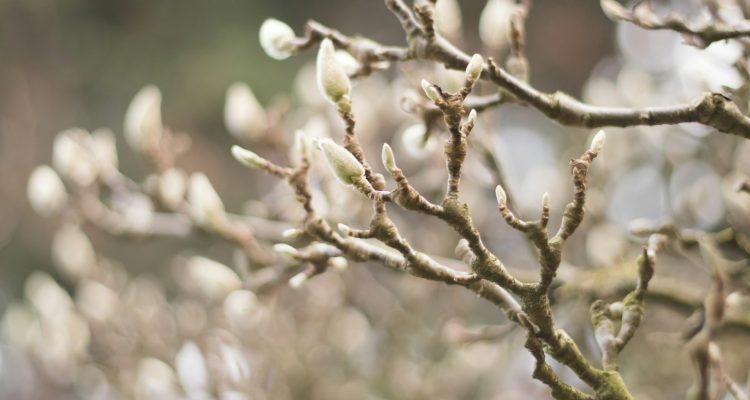
- Observe nature (even in the city): The trees in the town hall square, the esplanade at La Défense, the community gardens. Buds = spring, yellow leaves = autumn. Base your rhythm on theirs.
- Adapt your plate:
- Spring = leafy vegetables (spinach, mint).
- Summer = light, gourd vegetables (zucchini, cucumber).
- Inter-season = cooked root vegetables (carrots, parsnips).
- Autumn = pear, fennel, chicken.
- Winter = soups, millet, seeds.
- Moderate your activity: In winter, prioritize rest, gentle yoga, reading. In summer, get up early, move more.
- Consult a TCM practitioner for personalized support.
Conclusion
The dates of the seasons differ between the West and China, but the essential isn't in the calendar. It's in listening: listening to your body, listening to nature, even in Courbevoie between two towers of La Défense.
Living with the seasons isn't a belief. It's a way of life. And traditional Chinese medicine offers us simple tools to achieve this, without ever promising a cure, but by offering support that respects the living.
And you, can you feel the arrival of autumn, or of another season?
You feel you're not in your season?
Fatigue, restless sleep, fluctuating emotions? As a TCM practitioner in Courbevoie, I offer a discovery session to identify your seasonal gap and support you gently.