Moxibustion is very little known to the general public. Yet it has many virtues. I propose you discover it in this article.
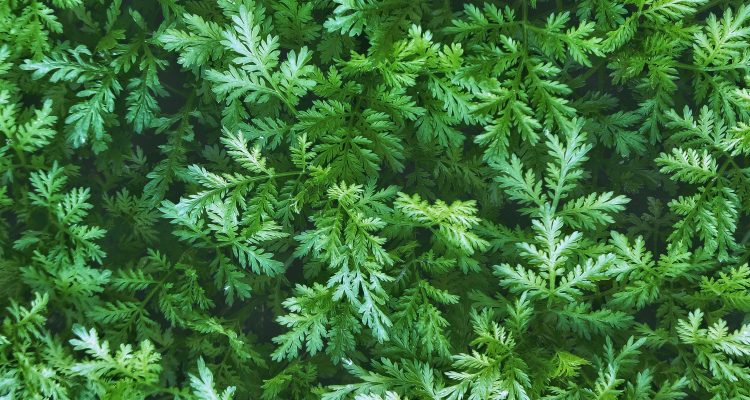
Artemisia annua

Moxibustion uses artemisia as the plant. Artemisia annua is a plant native to the high plateaus of China. It then spread throughout the world.
The main interest of Artemisia annua lies in its medicinal properties. It contains artemisinin, a substance used against malaria in some parts of the world.
Artemisia annua has also traditionally been used to relieve the symptoms of certain conditions, notably fevers, parasitic infections and certain autoimmune diseases.
The maison artemisia website tells us: Artemisia annua is native to China, its Chinese name Qing Hao literally means "green herb".
In China, knowledge of the medicinal virtues of mugworts is very ancient. This is notably the case of the species Artemisia annua and Artemisia apiacea.
It can be consumed in:
- Infusion
- Decoction
- Inhalation
- Cataplasm
- Alcohol extraction
Moxibustion in Chinese medicine
Moxibustion consists of heating a specific plant on the body. The person should then feel a gentle heat on the skin.
The action is therefore twofold. The gentle heat produced by moxibustion warms the skin. This relaxes the surrounding muscular area and also gives back energy to the targeted acupuncture point, which relaunches the work on the whole meridian.
There are several forms of moxibustion, which are:

The cigar
This format allows working on the surface energy. The heat is very often gentle and pleasant. It allows working on large areas.

The cone
This format allows working on energy more in depth. It allows stimulating a particular acupuncture point.
It works on a smaller area.
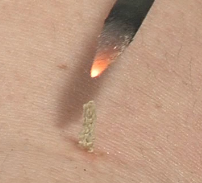
The grain of rice
It's the one that allows working the energy as deep as possible, and on a very small area. You really have to imagine a laser.
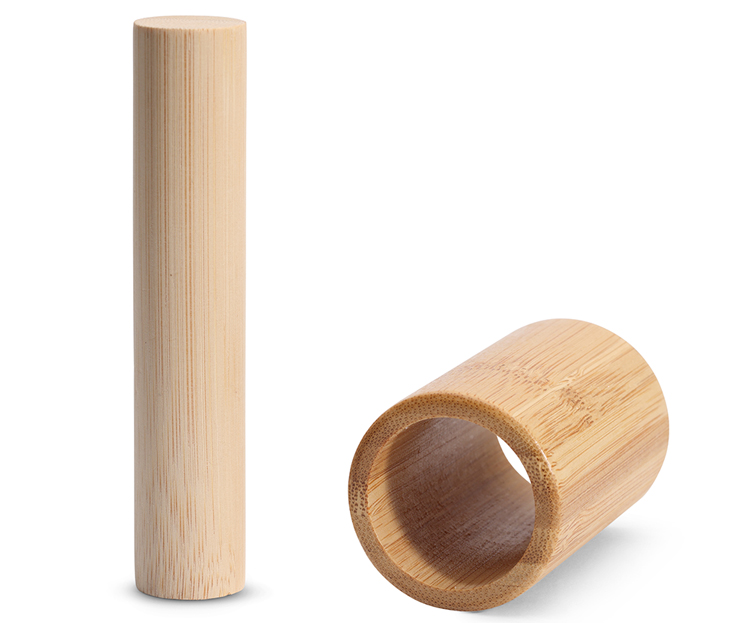
The ontake
The hot bamboo allows massaging an area and achieving muscular relaxation.
The art of mastering metal and fire
The Chinese term 针灸 (zhēnjiǔ) is composed of 针 (zhēn): the needles (metal) and of 灸 (jiǔ): moxibustion (fire).
This is how the practice of acupuncture is named in China: the art of handling metal and fire. As a result, we can better understand that the needle and moxibustion are not different or separated, but truly complementary to regulate inner energy and recover health.
It's possible that during a session, there are only needles, or only moxibustion. Or a mix of both.
In France, it's rare to find practitioners who use moxibustion. Indeed, moxibustion produces a smoke and a stubborn smell, that are hard to get rid of and that spread throughout the room.
It should also be clarified that there are schools of thought that only use the needle.
Would you like to discover moxibustion during a treatment?
During an energy assessment at the practice in Courbevoie, moxibustion can be combined with needles to regulate energy and restore a better balance.